As an Amazon Associate, we earn from qualifying purchases. Some links may be affiliate links at no extra cost to you. Although our opinions are based on curated research, we haven't used these products. Articles generated with AI.

What Does JBL Stand For?

JBL stands for James Bullough Lansing, the audio innovator who founded the company in 1946. After leaving Altec Lansing, Lansing established James B. Lansing Sound, Incorporated, which was officially shortened to JBL in 1955 following trademark disputes. The company’s name preserves the legacy of its founder while representing decades of audio engineering excellence in professional and consumer markets. JBL’s evolution from cinema sound pioneer to global audio leader reflects Lansing’s enduring technical vision.
Key Takeaways
- JBL stands for James B. Lansing, the founder’s name who established the company in 1946.
- The company was originally called James B. Lansing Sound, Incorporated before being shortened to JBL.
- The name change to JBL occurred in 1955 to resolve trademark disputes with Altec Lansing.
- James B. Lansing was an audio pioneer with expertise in loudspeaker technology for radio and cinema.
- JBL became the official abbreviated name while maintaining the founder’s legacy in professional audio equipment.
The Origins of JBL: James Bullough Lansing’s Legacy
The story of JBL begins with its visionary founder, James Bullough Lansing, born on January 2, 1902, in a small Illinois mining community as the ninth of fourteen children. From an early age, Lansing exhibited remarkable aptitude for electronics, constructing crystal sets and even building a radio transmitter capable of reaching the Great Lakes Naval Station after completing only eighth grade education.
In 1927, Lansing relocated to Los Angeles and co-founded Lansing Manufacturing Company, focusing on speaker drivers for radio consoles. Following his departure from Altec Lansing in 1946, he established James B. Lansing Sound, Incorporated, which was later renamed JBL in 1955 to resolve trademark disputes. Lansing’s pioneering contributions to loudspeaker technology, particularly in radio and cinema applications, secured his place as an audio engineering innovator until his death in 1949.
Today, JBL continues Lansing’s legacy through its over 75-year history of audio innovation in products like the JBL Tune 510BT headphones.
From Lansing Manufacturing to JBL: A Historical Timeline
During 1927, James B. Lansing established the Lansing Manufacturing Company in Los Angeles, creating a foundation for high-quality speaker production that would evolve over decades. The company’s trajectory changed dramatically after co-founder Ken Decker died in a 1939 plane crash, creating financial instability that led to acquisition by Altec Service Corporation in 1941, forming Altec Lansing.
Lansing’s departure from Altec Lansing in 1946 marked another pivotal moment when he founded James B. Lansing Sound, Incorporated. After Lansing’s death in 1949, Bill Thomas took ownership, securing manufacturing support from Marquardt Corporation to maintain operations. The shift to the JBL name occurred in 1955, resolving legal disputes with Altec Lansing and establishing the brand identity that would become synonymous with professional audio excellence.
The Technical Innovation Behind the Brand
Technical innovation has defined JBL’s reputation since its earliest days, establishing the company as a pioneer in audio engineering excellence. This legacy began with the Shearer Horn in 1933, an innovative loudspeaker design that earned an Academy Award for technical achievement in 1936. As an audio engineer and loudspeaker manufacturer, JBL continued pushing boundaries with the introduction of the D101 and D175 drivers in 1946, enhancing professional sound reproduction.
The company’s engineering prowess reached new heights with the D130 transducer, featuring a 4-inch ribbon wire voice coil and Alnico V magnet that greatly improved efficiency. Each innovative engineer at JBL contributed to groundbreaking designs like the 375 high-frequency and 075 ultra-high frequency drivers, minimizing distortion while extending frequency response. By 1975, these technical achievements earned JBL additional Oscars, cementing its reputation as a premier engineer and loudspeaker designer.
Building on this legacy, JBL’s innovation persists in contemporary products, such as the JBL PartyBox 710, which offers 800 watts of powerful sound for modern events.
JBL’s Revolutionary Audio Products Through the Decades
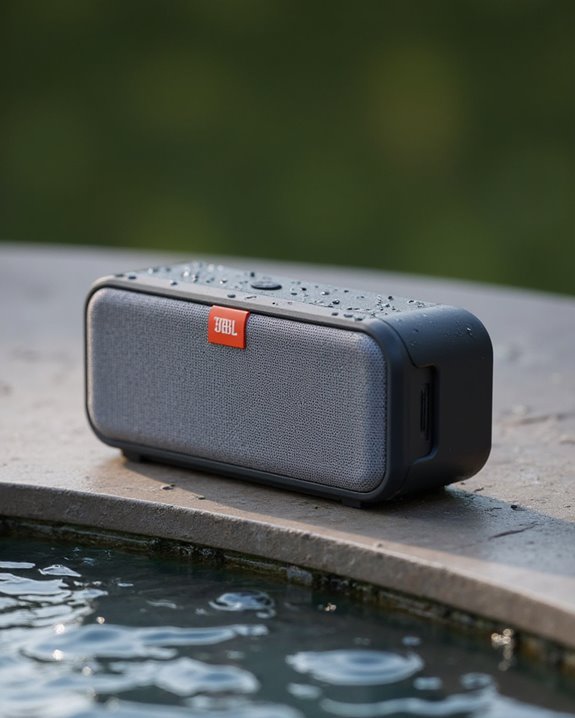
Throughout its illustrious history, JBL has consistently delivered groundbreaking audio products that transformed how people experience sound, beginning with the revolutionary D101 15-inch loudspeaker and D175 high-frequency driver in 1946. Founded by American audio engineer James Bullough Lansing, the brand shortened to JBL quickly established its reputation for exceptional sound quality. In recent years, JBL has continued this legacy with portable speakers such as the Charge 3 Grey, which offer advanced features like IPX7 waterproofing for outdoor durability. Many of these modern portable models are also built to resist water exposure—for a full breakdown of which JBL speakers can handle rain, splashes, or submersion, see our detailed guide on whether JBL speakers are waterproof.
Recommended Products

Massive JBL Original Pro Sound

JBL PRO SOUND + AI BOOST: How does the already great JBL Charge sound profile get even better? AI Sound Boost analyzes music in real time—delivering bigger bass, crisper highs, and maximum acoustic performance with less distortion. Same portable speaker, bigger punch.

SOUND TO GO - Never leave awesome sound at home again. This ultra-portable, waterproof Bluetooth speaker is small in size but with surprisingly big sound. Clip it on with the built-in carabiner, press play, and make the moment pop.
How JBL Transformed Professional Sound Systems
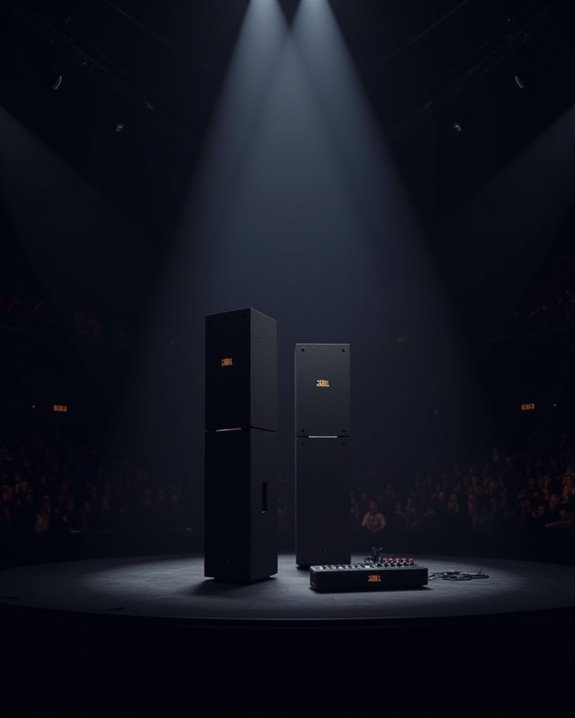
When examining the evolution of professional audio, JBL stands as a pivotal force that fundamentally changed how sound reaches audiences in studios, concert venues, and theaters worldwide. The company’s revolutionary D130 transducer, introduced in 1946, featuring a 4-inch flat ribbon wire voice coil and Alnico V magnet, established new standards for audio fidelity in professional applications.
JBL’s impact reached unprecedented heights with their 4320 series studio monitors in the 1970s, which became industry standards in recording facilities globally, including EMI studios. By 1977, JBL monitors dominated professional recording environments, with the 4311 model establishing superior clarity benchmarks. The company’s technological innovations extended beyond studios to live events, particularly providing the vital sound reinforcement infrastructure at Woodstock in 1969, forever changing expectations for large-scale concert productions.
Recommended Products

Hi-Res Audio Certified – Experience superior sound with Hi-Res Audio certification, delivering a flat response across 52Hz to 40kHz for precise and accurate monitoring, music creation, or everyday listening.

Mackie CR3.5 Creative Reference Powered Studio Monitors combine studio-quality sound with a tone control, making CR3.5 the best studio monitors, gaming speakers and party speakers, all wrapped into one.

【Multiple INPUTS】The stereo speakers home audio is built with RCA which ensure a lossless connection surround sound system for TV; With the addition of stable BT 5.3 technology, you can pair the bookshelf speakers with your smartphone or tablet in just 2 seconds, enabling wireless music playback without dealing with messy wires.3.5mm AUX audio can adapt to any device that has 3.5mm headphone or dual output. Various lined ways allow you to meet your various needs, whether you want to enjoy music, watch movies, or play games, without switching between different speakers.
The Expansion Into Consumer Audio Markets
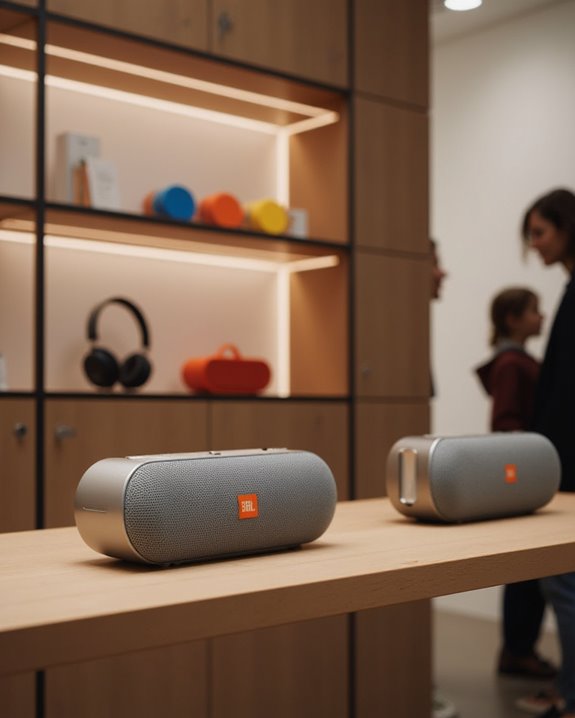
While JBL revolutionized professional audio environments through groundbreaking studio monitors and concert sound systems, the company’s ambitions extended far beyond specialized markets. In the 1970s, the Lansing-founded business achieved a milestone when its L-100 loudspeaker became the world’s bestselling model, dramatically expanding JBL’s presence in home audio. The company continued this consumer-focused evolution in 1996 by partnering with Toyota to integrate premium sound systems into vehicles, establishing JBL as a significant player in automotive entertainment.
JBL’s 2012 introduction of the Bluetooth-enabled JBL Flip marked its strategic entry into portable audio, followed by the waterproof Flip 4 in 2017. By 2022, the company further demonstrated market adaptability with the Flip 5 Eco, incorporating recycled materials to address growing environmental concerns among consumers. Today’s portable JBL Bluetooth speakers are straightforward to set up—if you have just purchased one, our guide on how to connect a JBL Bluetooth speaker covers the process in five easy steps.
Recommended Products

Wireless Bluetooth streaming

Wireless Bluetooth streaming

POWERFUL JBL ORIGINAL PRO SOUND: Feel your music. Flip 5's all new racetrack-shaped driver delivers bold JBL signature sound. Enjoy booming bass in a small package.
JBL’s Impact on Live Music and Cinema Sound
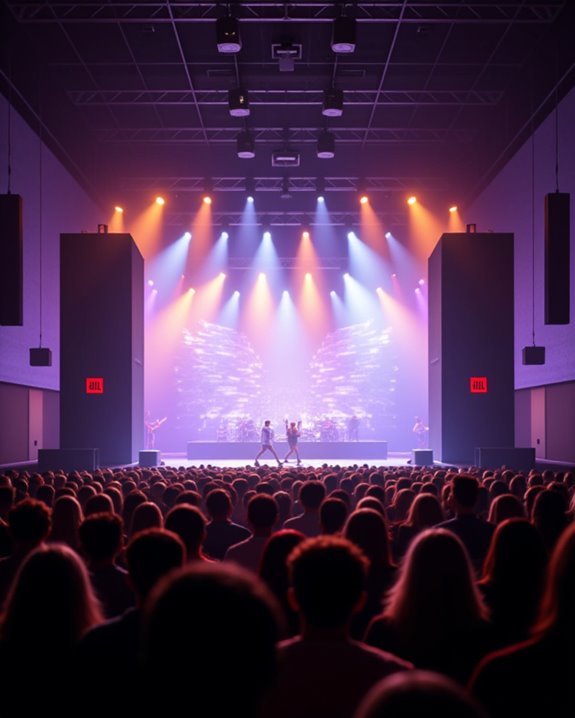
The historic 1969 Woodstock festival marked a defining moment for JBL’s influence on live music, with the company’s speakers delivering clear sound to over 400,000 attendees across the sprawling festival grounds. This achievement was followed by the engineering of the groundbreaking Wall of Sound system for the Grateful Dead in 1975, a three-story audio configuration that revolutionized concert sound by providing unprecedented clarity for large audiences.
JBL’s contributions extended beyond live performances into cinema, earning Academy Awards in 1975 for technical advancements in loudspeaker technology. Their three-way screen channel systems became industry standard in theaters worldwide, greatly enhancing film audio experiences. This dual dominance in both live tour sound and cinema reinforced JBL’s position as a pioneer in professional audio, establishing benchmarks that continue to influence how audiences experience sound today.
Recommended Products

MicroSound - Indoor Motion Activated Audio Player: With 120-degree PIR wide-angle sensor and a 1 Watt built-in speaker, this sound player detects motion from up to 13 feet (4 meters) day or night and plays a recording that is loud and clear. Includes mounting screws, ball mounting accessories, Velcro fastners, and clear step-by-step instructions


Rear Speaker Compatibility (Up to 5Lbs) - The rear speaker stands designed for surround and satellite speakers with 1/4"-20, M5, M6 threaded holes or keyhole mounts. Compatible with popular brands including Samsung, LG, Sony, Vizio, Roku, JBL, Polk, Klipsch, Logitech, TCL, Nakamichi and more.(⚠️ Please select the correct mounting method based on your speaker’s mounting hole.)
Partnerships and Collaborations That Shaped JBL

Strategic alliances with industry titans have consistently propelled JBL’s technological advancements and market expansion throughout its storied history. The company’s foundational partnership with MGM in 1933 culminated in the Academy Award-winning Shearer Horn, establishing JBL as a premier business partner in cinema sound before becoming a subsidiary of Harman International. This tradition continued with Toyota in 1996, when JBL engineered sophisticated in-vehicle audio systems, subsequently expanding to collaborations with Fiat and Kia.
Beyond automotive integration, JBL demonstrated its versatility through partnerships with Cardo for motorcycle helmet audio systems and social initiatives like the 1,000 Dreams Fund supporting women gamers. The company’s legacy includes providing the legendary sound reinforcement for Woodstock in 1969, a milestone that positioned JBL as the successor to Altec in professional audio applications.
Recommended Products
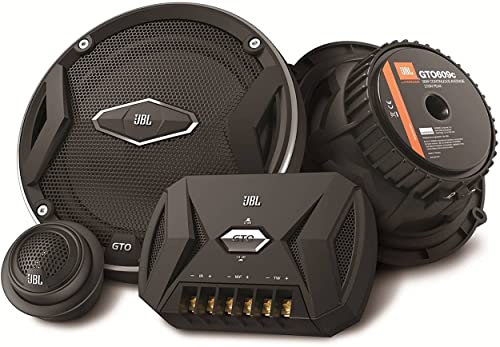
Carbon-injected Plus One cones are larger than others in their size class, meaning they move more air and make more bass


This bundle has 3" midrange speakers with PEI dome and 3-ohm impedance
Sustainability and Modern Initiatives in JBL’s Evolution
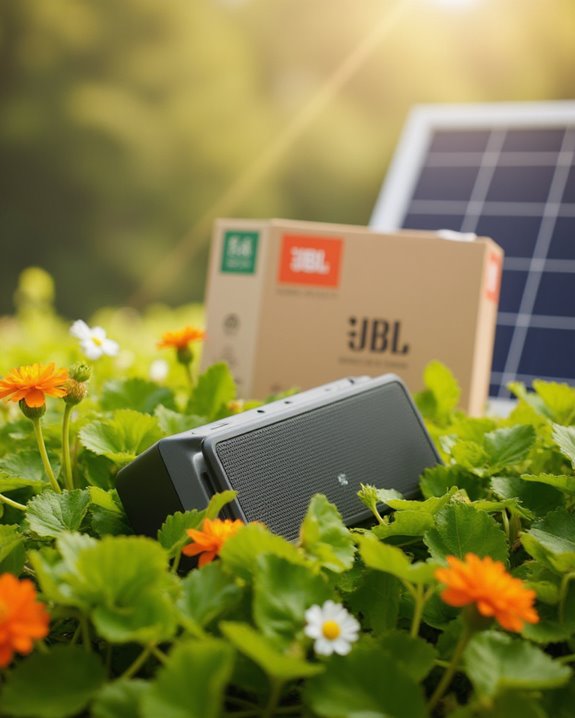
From groundbreaking partnerships to environmental stewardship, JBL’s corporate trajectory reflects an evolving commitment to responsible business practices alongside technological innovation. The company, noted as an innovative audio engineer since its origins with Altec Service Corporation, has embraced sustainability through strategic product development and manufacturing processes.
In 2022, JBL launched the Flip 5 Eco speaker, incorporating recycled materials to reduce environmental impact while maintaining sound quality. This initiative exemplifies JBL’s modern approach to product design, balancing acoustic excellence with ecological responsibility. The company has systematically integrated sustainable materials across product lines, establishing recycling programs and support services that encourage responsible disposal of audio equipment. These efforts represent a deliberate evolution in JBL’s business model, demonstrating how established audio technology leaders can adapt manufacturing practices to address contemporary environmental challenges without compromising performance standards.
Frequently Asked Questions
Which Is Better, Bose or JBL?
JBL and Bose each excel differently: JBL offers robust sound quality and longer battery life for active users, while Bose provides refined audio and sleek design features for those prioritizing aesthetics and ambient listening experiences.
What Is JBL Short For?
JBL is short for James Bullough Lansing, the founder’s name. The brand origin traces back to 1955 when the company officially adopted his initials. This JBL etymology reflects Lansing’s historical contributions to audio engineering.
What Did JBL Stand For?
JBL originally stood for James Bullough Lansing, reflecting the founder’s legacy in audio engineering. The acronym’s brand origins date to 1946, though it officially became the company name in 1955 following trademark considerations.
Is JBL Better Than Sony?
JBL and Sony both offer unique strengths. JBL often excels in audio fidelity for professional environments, while Sony may provide better headphone comfort. Brand preference ultimately depends on specific product categories and price value considerations.