As an Amazon Associate, we earn from qualifying purchases. Some links may be affiliate links at no extra cost to you. Although our opinions are based on curated research, we haven't used these products. Articles generated with AI.

5 Best Speaker Cables for Home Cinema Systems

The top speaker cables for home cinema systems include AudioQuest Rocket 22 for premium performance, Chord Company C-Screen for budget-conscious setups, oxygen-free copper cables for humidity resistance, 12-gauge wires for powerful bass response, and silver-coated conductors for superior clarity. For runs under 50 feet, 16-gauge cables suffice with 8-ohm speakers, while longer distances require 14-gauge or thicker wires. Proper installation with matched polarity and secure connections guarantees these cables deliver their full sonic potential in your theater environment.
Key Takeaways
- AudioQuest Rocket 22 delivers exceptional clarity and dynamic expression for high-end home cinema setups despite its premium price point.
- Chord Company C-Screen offers excellent value at £45-£49 while providing adequate performance for modest home theater systems.
- For longer cable runs exceeding 50 feet, 12 or 14-gauge oxygen-free copper cables maintain audio dynamics and prevent signal degradation.
- Bi-wire configurations with separate wire pairs for high and low frequencies reduce interference for greater clarity in surround sound systems.
- Silver-coated copper conductor cables provide superior conductivity and clearer sound reproduction across all channels in a home cinema setup.
Understanding Speaker Cable Gauge and Its Impact on Home Cinema Audio
Why do seemingly simple speaker cables play such an essential role in home cinema performance? The gauge (thickness) of speaker wire fundamentally determines how effectively audio signals travel from amplifiers to speakers, directly influencing system sound quality. Lower American Wire Gauge (AWG) numbers indicate thicker cables with reduced resistance, essential for maintaining signal integrity across longer distances. For a detailed breakdown of how to match gauge to your specific room layout and speaker impedance, our guide on choosing the right gauge speaker cable covers every scenario from short desktop setups to extended in-wall runs.
For standard 8-ohm speaker setups, 16-gauge copper wire sufficiently handles runs up to 50 feet, while distances beyond this threshold benefit from 14-gauge or thicker cables to preserve audio dynamics. High-power systems with low-impedance speakers (4-6 ohms) perform ideally with 12-gauge wire, ensuring accurate bass reproduction. Additionally, Oxygen-free copper speaker cables resist degradation over time, helping your system sound better through consistent signal transmission, particularly in humidity-prone environments where standard copper might oxidize.
Recommended Products

Speaker Wire for Indoor & Car Stereo: This wire is perfect for home theater systems, studio bookshelf speakers, recording studios, DIY projects, and custom installations. Built with durable 14 gauge wire, our speaker cable delivers consistent signal performance across every setup. Whether connecting this speaker wire 14 gauge to indoor speakers or running automotive wire for a car audio system, this audio cable provides a dependable connection with reliable sound

PREMIUM SPEAKER WIRE [ Frosted Red/Black | 100-feet (30.5m) | 14 Gauge ] - Featuring a double conductor, this stranded wire is constructed from high-grade copper and aluminum. It is perfect for achieving outstanding audio performance, exceptional flexibility, easy stripping and great polarity identification.

100 Feet of 14 Gauge Speaker Wire - Simply Great and Affordable Speaker Wire
Premium vs. Budget Options: Finding the Right Cable for Your System
How greatly does cable quality impact the overall performance of a home cinema system? The difference between high-end speaker cables and budget options can make your system sound noticeably better, particularly in systems where other components are already optimized. Experts suggest allocating approximately 10% of your total system cost to cabling, with premium options like the AudioQuest Rocket 22 (£489) offering superior transparency and dynamic expression compared to budget alternatives.
The Best speaker cable choice depends on your specific setup requirements. While budget cables like Chord Company C-Screen (£45-£49) provide adequate performance for modest hi-fi setups, higher quality cables utilizing copper or silver conductors make a difference in longer runs and high-power systems. Audiophile speaker enthusiasts note that premium speaker wires demonstrate measurably lower resistance and capacitance, reducing signal loss in demanding home cinema applications. For systems with high power demands, such as the Pyle systems featuring 1000W output, investing in premium cables ensures minimal loss in audio fidelity. Once you have selected the right cable, knowing where to buy speaker cable near you will help you compare prices across big-box retailers, audio specialty shops, and warehouse clubs before committing to a purchase.
Recommended Products

Material advantages: Outer Material: Premium PVC-85P, Wire Material: Full Copper Wire, so it is soft lightweight but durable for a very long time, conduct quite well, environmental friendly. Pro Series Industrial Grade Construction, you will not be disappointed with performance of this cable
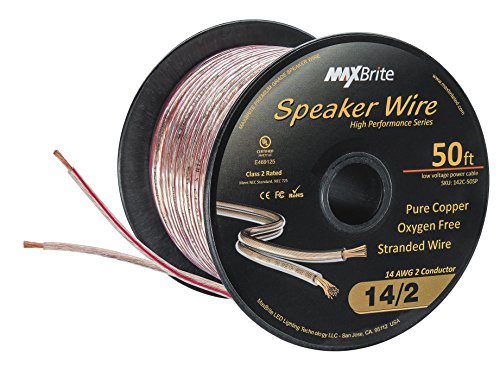
HIGH QUALITY 2 Conductor Speaker Wire Flexible Clear PVC Jacket with Red Stripe Polarity Allows for Fast, Easy and Accurate Installations
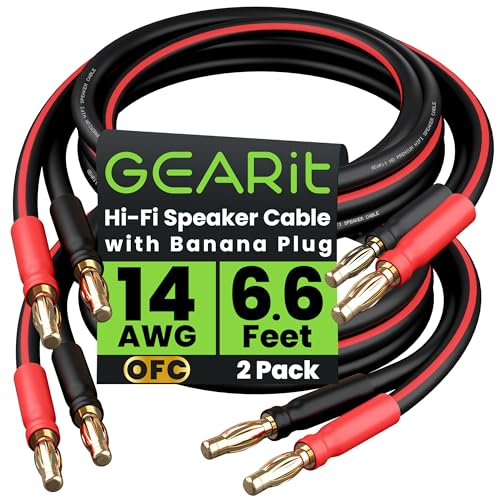
SPEAKER WIRE WITH BANANA PLUGS - Our GEARit 14AWG banana plug speaker wire is made from pure copper oxygen free speaker cable with speaker plugs. High quality and premium banana plug wire designed for home stereo, center channel speakers, subwoofer, and sound systems.
Bi-Wire Configurations and When They Enhance Performance
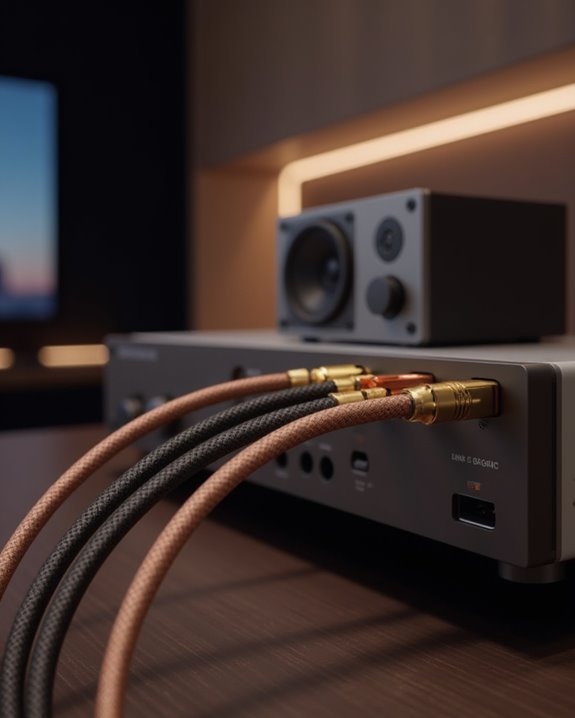
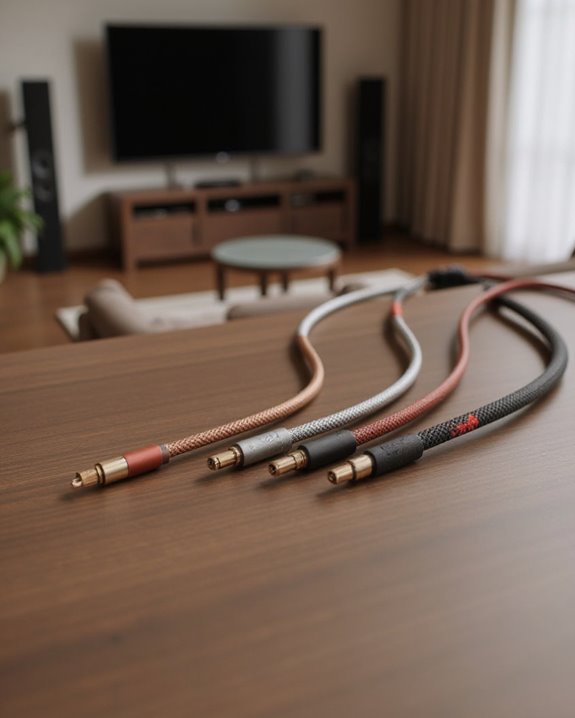
Beyond selecting the right quality level for your system, another configuration option merits consideration for discerning home cinema enthusiasts. Bi-wire configurations divide the audio signal between separate wire pairs for high and low frequencies, utilizing specialized speaker cables often featuring dual conductor sets like the AudioQuest Rocket 11.
This arrangement requires speakers with separate binding posts for treble and bass drivers, allowing users to connect speaker terminals with banana plugs, spade connectors, or bare wire according to preference. The separation reduces electrical interference between frequency ranges, potentially delivering greater clarity and dynamic expression when properly implemented. For best results, experts recommend using bi-wire setups with 16-gauge or thicker cables for distances up to 50 feet, ensuring minimal resistance and maintained signal integrity throughout the system’s signal path. If your home cinema system uses a single multi-conductor cable to run multiple channels, learning how to wire a 4-core speaker cable will help you keep each conductor correctly identified and connected.
Recommended Products

IN THE BOX: 16 gauge speaker wire cable (50 feet)

IN THE BOX: 16 gauge speaker wire cable (100 feet)

PREMIUM SPEAKER WIRE [ Frosted Red/Black | 30-feet (9.1m) | 16 Gauge ] - Featuring a double conductor, this stranded wire is constructed from high-grade copper and aluminum. It is perfect for achieving outstanding audio performance, exceptional flexibility, easy stripping and great polarity identification.
Cable Material Composition: Copper, Silver, and Hybrid Conductors
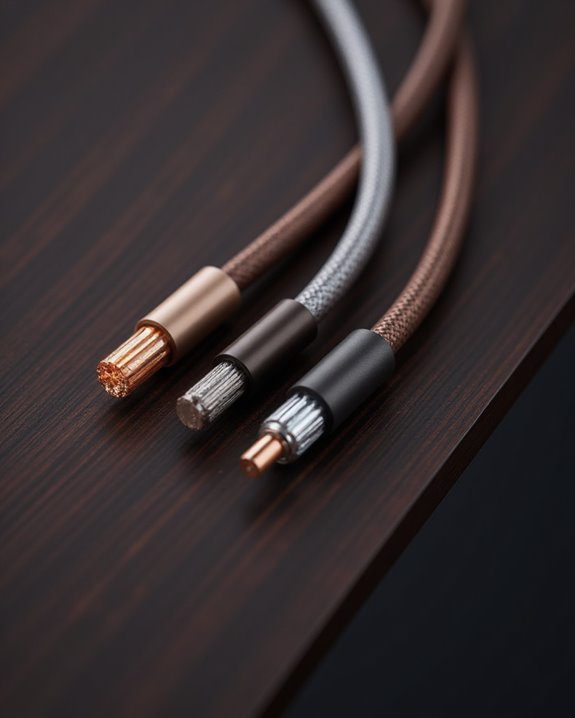
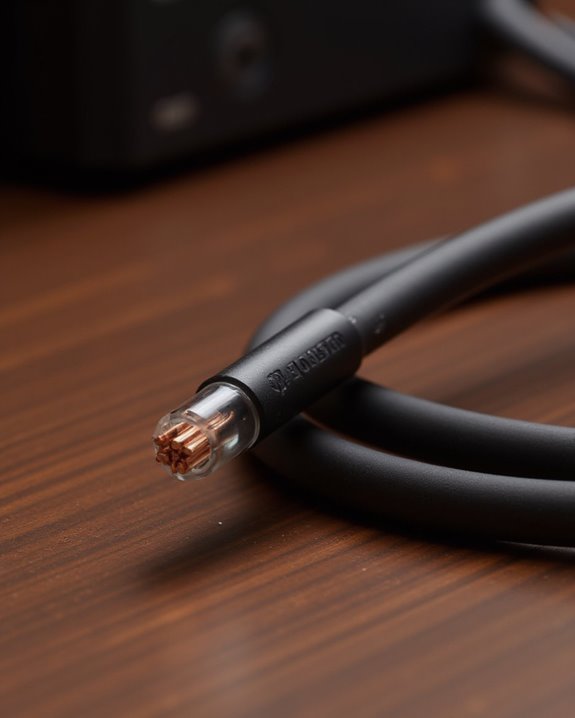
The material composition of speaker cables plays a crucial role in determining their performance capabilities, with copper, silver, and hybrid conductors each offering distinct sonic characteristics to home cinema enthusiasts. Oxygen-free copper conductors, found in models like Chord Company C-Screen and AudioQuest Rocket 11, resist oxidation, preserving conductivity and signal integrity over time. For those seeking enhanced performance, silver-coated copper strands combine durability with superior conductivity, delivering clearer, more transparent sound reproduction. Pure silver conductors, with up to 6% higher conductivity than copper, represent the premium option for discerning listeners, providing improved dynamics and vibrancy. Hybrid conductors, such as those in the Chord Company RumourX, merge these benefits to minimize signal loss, resulting in a more refined experience with tauter bass and detailed high frequencies. These same conductor types also appear in top-rated speaker cables recommended for surround sound, making many of these picks a strong choice across both cinema and multi-channel applications.
Recommended Products
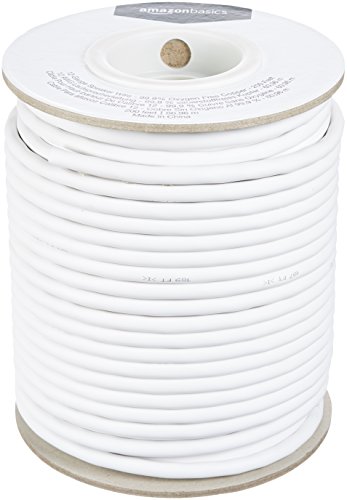
IN THE BOX: 200 feet of 12-gauge audio speaker wire cable

HIGH QUALITY 2 Conductor Speaker Wire Flexible Clear PVC Jacket with Red Stripe Polarity Allows for Fast, Easy and Accurate Installations

IN THE BOX: 100 feet of 14-gauge audio speaker wire cable
Installation Best Practices for Optimal Sound Quality
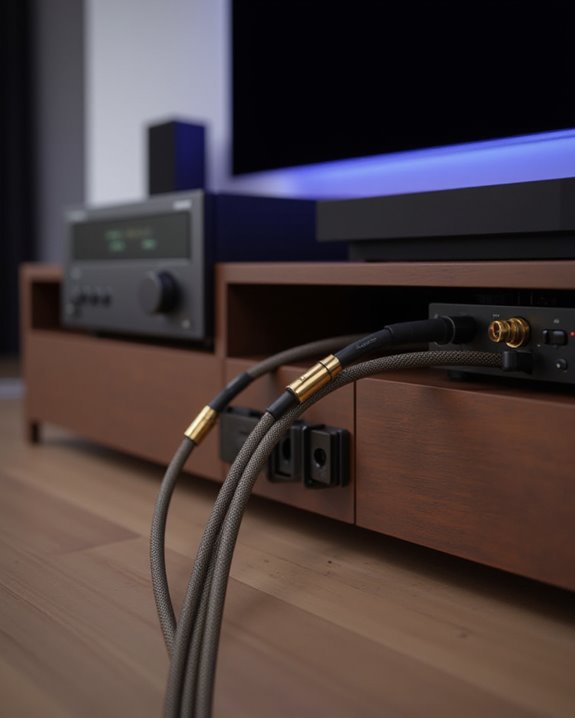
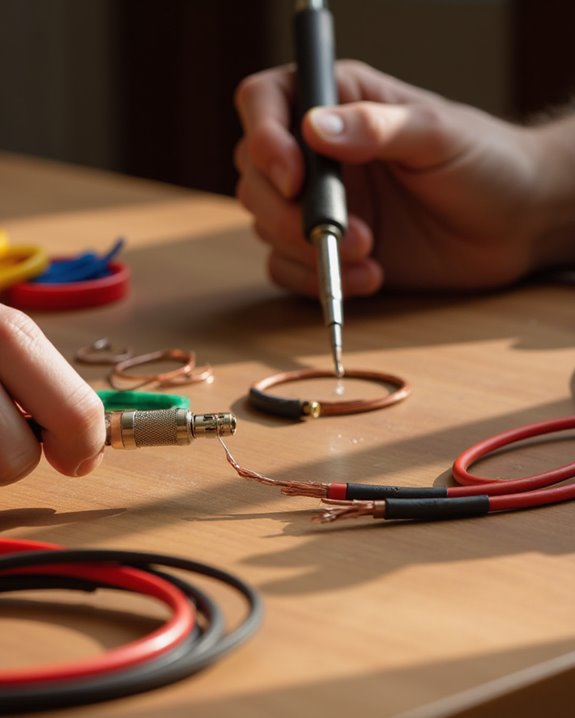
Proper installation techniques represent the foundation of exceptional home cinema audio, ensuring that even the highest quality speaker cables can deliver their full potential without compromise. When connecting components, maintain consistent polarity by matching the positive (red) terminal to the positive input and negative (black) terminal to the negative input on both amplifier and right speaker. Choose the right gauge—16-gauge wire provides a wide range of benefits for runs up to 50 feet with 8-ohm speakers. Measure precisely using string, adding 10-20% extra length to prevent tension. For in-wall installations, select UL-rated CL2 or CL3 cables to meet safety codes. Strip exactly 3/8-inch of insulation, twisting copper strands tightly to make connecting secure, unlike RCA cables which use different connectors entirely. To maximize compatibility with advanced audio features, consider systems that incorporate Dolby Atmos for an enhanced immersive experience. For those expanding their setup beyond a single room, exploring the best whole house speaker systems can provide guidance on how to scale your wiring and amplification across multiple zones without compromising audio quality.
Recommended Products

SOUND MADE LIMITLESS: Planning a backyard BBQ or patio movie night? This 100ft speaker wire 16 gauge brings clear sound to garden gatherings, poolside fun, or long runs across your home and outdoor spaces—even perfect for your next road trip.

CL2 Rated for In-Wall Installations: Engineered for professional reliability, our 16 gauge speaker wire is CL2 rated for secure in-wall and ceiling installations. The flame-retardant jacket resists fraying and environmental wear while remaining remarkably soft and flexible. This allows for an easy pull through tight corners or wall studs without kinking. Ideal for home theaters, whole-home audio, classrooms, church sound systems, and other residential or commercial projects.

The Plenum (CMP) rating indicates that the cable complies with fire safety and insurance requirements, making it safe for use inside the walls of residential and enterprise class buildings.
Frequently Asked Questions
What Is the Best Speaker Wire for Home Theater?
Speaker wire selection depends on length impact, with RumourX or Rocket 11 preferred for their durability testing results. Quality wires feature eco materials, allow custom cuts, and offer various color choices for easy installation and discreet storage methods.
What Cables Do I Need for a Home Theater System?
Over 85% of home theater performance depends on proper cabling. Essential connections include HDMI options for video formats, optical types for digital audio sources, power connectors, RCA alternatives, component choices, and dedicated subwoofer connections.
What Cable Gives the Best Sound Quality?
Signal purity and audio clarity depend on multiple factors. Oxygen Free Copper conductors with shielded wiring minimize noise reduction while preserving frequency response. Material impact and impedance effects greatly influence the intimate soundscape audiophiles desire from their connections.
Which Is Better, 12 Gauge or 16 Gauge Speaker Wire?
Like choosing the right conductor for an orchestra, 12-gauge wire offers lower resistance levels for distances over 50 feet, while 16-gauge provides better flexibility, easier installation, and cost savings for shorter runs under 50 feet.