As an Amazon Associate, we earn from qualifying purchases. Some links may be affiliate links at no extra cost to you. Although our opinions are based on curated research, we haven't used these products. Articles generated with AI.

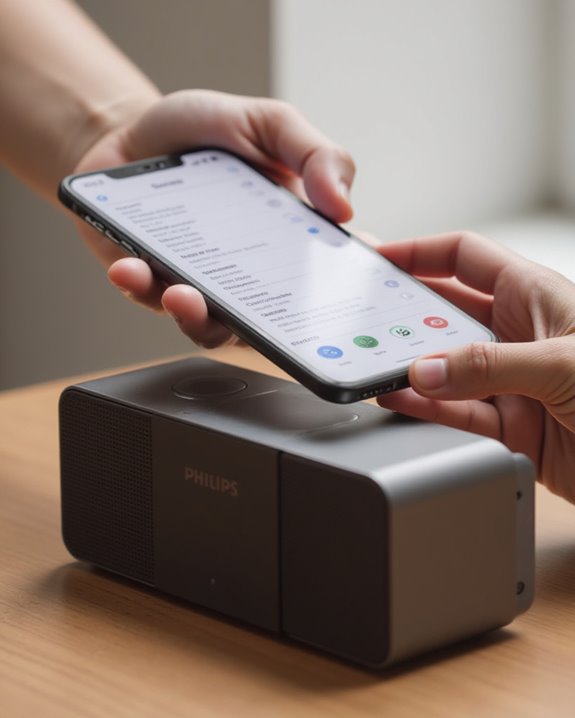
How to Connect Philips Bluetooth Speaker to Iphone in 7 Easy Steps

Connecting a Philips Bluetooth speaker to an iPhone requires seven straightforward steps. First, power on the speaker and activate its Bluetooth mode by sliding the switch to the Bluetooth symbol. Next, open iPhone Settings, locate and enable Bluetooth functionality. Then, wait while the iPhone searches for devices. Select the Philips speaker when it appears in the available devices list. Enter password “0000” if prompted. Confirm successful pairing when the speaker’s blue light stops flashing. Test the connection by playing audio and adjusting volume; proper setup guarantees best sound performance.
Key Takeaways
- Put your Philips speaker in Bluetooth pairing mode by sliding the switch toward the Bluetooth symbol until the indicator flashes blue.
- On your iPhone, go to Settings, tap Bluetooth, and toggle it on to make your device discoverable.
- Look for your Philips speaker model in the “Other Devices” list on your iPhone’s Bluetooth menu.
- Select your Philips speaker from the list and enter “0000” as the password if prompted.
- Verify successful connection when the speaker beeps twice, the light becomes steady blue, and “Connected” appears on your iPhone.
Prepare Your Philips Speaker for Pairing
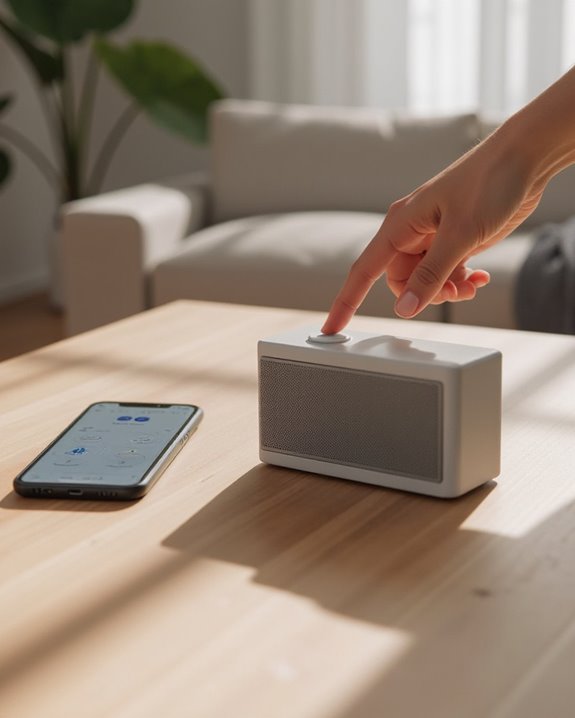
The first step in connecting a Philips Bluetooth speaker to an iPhone requires placing the speaker in pairing mode. Users must make sure the speaker is powered on before initiating the Bluetooth connection process. To activate pairing mode, locate the switch on the Philips Bluetooth speaker and slide it toward the Bluetooth symbol as indicated in the device instructions.
When properly activated, the Bluetooth indicator light on the speaker will begin flashing blue, signaling that the device is in discovery mode and ready to connect. Some models, such as BT50G/37 or BT50L/37, will emit an audible beep or display a steady blue light to confirm they are ready for pairing. Users should note that they may need the password “0000” during the subsequent connection process. If you need general guidance on the pairing process, our full guide on how to connect a Bluetooth speaker covers the fundamentals that apply across all brands.
For enhanced connectivity, many modern Philips speakers utilize Bluetooth 5.3 technology to provide up to 100 feet of range.
Recommended Products
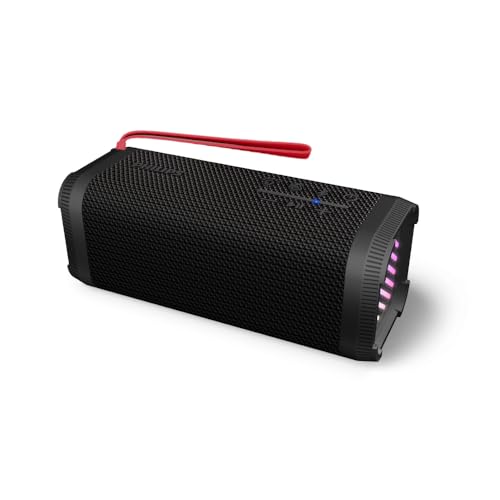
POWERFUL BLUETOOTH SPEAKER WITH DEEP BASS SOUND Experience rich, room-filling audio with this portable bluetooth speaker featuring powerful stereo sound, Bass+ enhancement, and dual passive radiators for deeper lows and clearer highs. Designed for music lovers who want premium sound in a compact size, these bluetooth speakers wireless deliver impressive performance for parties, travel, home entertainment, and everyday listening.
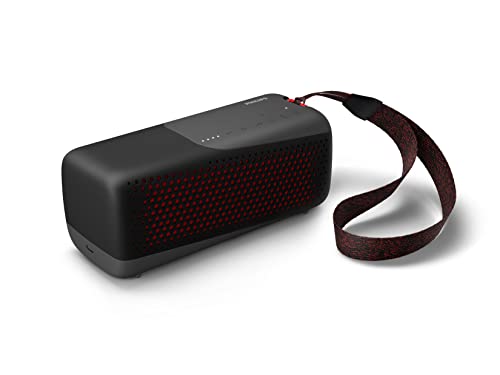
SMALL FOOTPRINT, IMPRESSIVE SOUND: Roughly the size of a water bottle and wrapped in a rugged, funky looking shell, this portable speaker will surprise you with rich sound and punching bass.

Powerful 2.1 Channel Sound: Enjoy dynamic, full-bodied audio with a 100W max output and deep bass response—perfect for house parties, dance events, or karaoke nights. As one of the top party speakers bluetooth wireless systems available. This big bluetooth speaker fills any space with rich, clear sound that energizes the room and keeps the music going strong.
Enable Bluetooth on Your Iphone
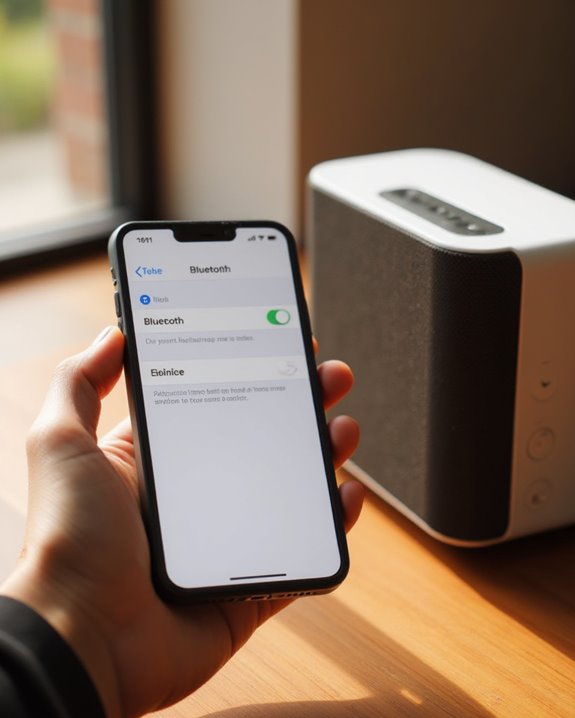
Accessing Bluetooth settings on an iPhone requires users to navigate through the device’s menu system, which has been updated in recent iOS versions. Users need to go to Settings and select the Privacy & Security option, where Apple has relocated Bluetooth controls for enhanced organization of connection permissions.
Within the Privacy & Security menu, the Bluetooth option appears among other connectivity settings, allowing users to access the toggle switch for activation. When enabled, the iPhone becomes discoverable to nearby Bluetooth devices, including Philips speakers awaiting connection. The system may display permission alerts if specific applications request Bluetooth access, requiring user confirmation before proceeding with connectivity functions.
Once activated, the iPhone will be ready to detect and pair with the Philips Bluetooth speaker, establishing the wireless connection necessary for audio transmission. For users seeking enhanced wireless audio capabilities, AirPlay 2 integration can offer seamless multi-room streaming with compatible speakers.
Recommended Products

The Ultimate Smarter Copilot: Stay on Top of Your Driving- The 3A magic link CarPlay box control everything with a word, Or a touch, Or a twist. Save your 40% of time by quick auto conn and seamless operation, such as navigation, music playing, Siri assistant, phone calls, radio etc(Our Carplay Only Compatible with wired Apple CarPlay Car systems)

Add Bluetooth to Your Car: UGREEN Bluetooth receiver is designed to turn home or audio systems, or speakers into hands-free, Bluetooth-enabled devices. If you want to stream music or listen to phone conversations through car’s speakers, but your vehicle didn’t come with Bluetooth, UGREEN Bluetooth Car adapter is an effective solution.

Latest Bluetooth 6.0 Technology: With Bluetooth 6.0, connect the device faster and get a more stable signal transmission. Whether watching videos or playing games, the synchronization of audio and video is significantly improved, reducing the trouble caused by delay and improving the entertainment experience. (If pairing fails, please reset the adapter: With the device powered off, press and hold the multifunction button for 10 seconds.)
Access Iphone Bluetooth Settings
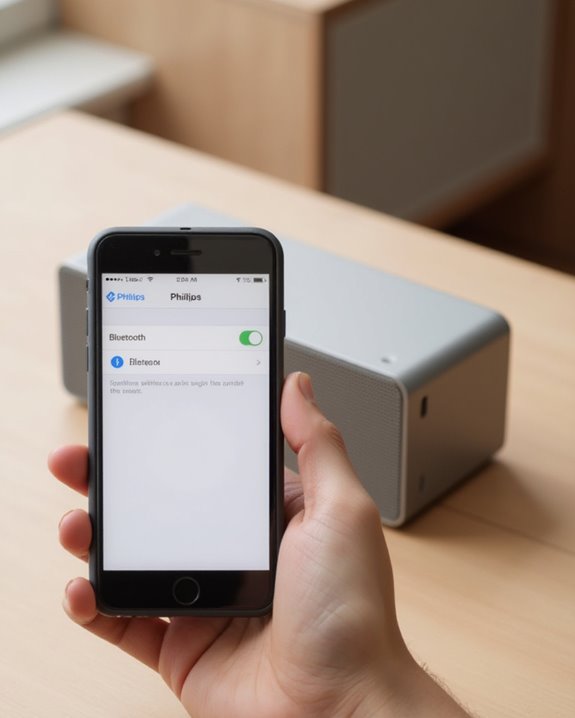
Accessing Bluetooth settings on iPhone begins with locating the main Settings application, identifiable by its gear icon on the home screen. Once opened, users can find the Bluetooth option listed as a primary category on the main Settings screen, typically appearing near the top of the menu for convenient access.
In iOS 16 and later versions, an alternative path exists through Settings > Privacy & Security, where users can tap on the Bluetooth option to reach the same controls. After accessing to the Bluetooth section, the interface displays all available and previously paired Bluetooth devices, allowing for thorough management of connections.
This built-in system feature requires no third-party applications to access or configure, making it straightforward for users to connect their Philips speaker or other Bluetooth devices through the native iPhone interface. For seamless device integration, many modern speakers like the Philips model leverage Bluetooth 5.4 to provide extended range and advanced connectivity options.
Initiate Discovery Mode on Speaker
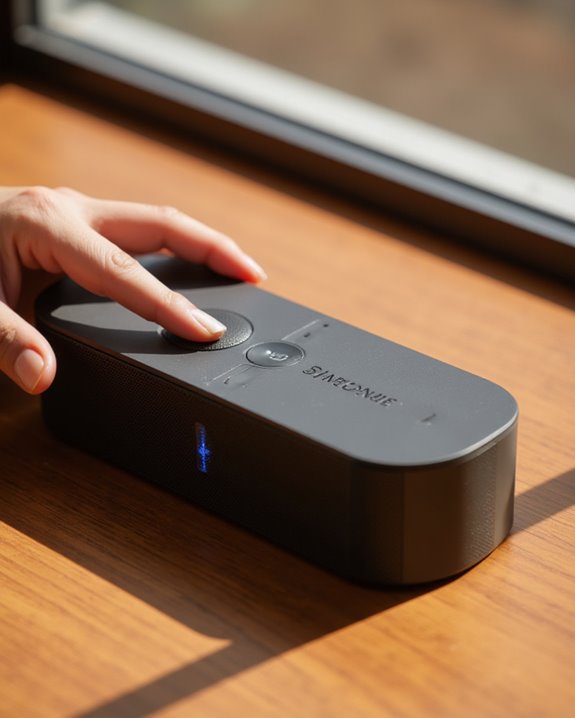
With the iPhone’s Bluetooth settings now accessible, users must prepare their Philips speaker for connection by activating its discovery mode. The next steps to pair involve physically manipulating the speaker’s controls to make it discoverable.
Users should locate the Bluetooth switch on their Philips speaker, typically positioned on the side or back of the unit, and slide it toward the Bluetooth symbol. Upon completing this action, the Bluetooth indicator will flash blue, confirming the speaker has entered discovery mode. This flashing indicator signals that the speaker is now actively searching for potential connections and is visible to the iPhone.
Some Philips models, including BT50G/37 and BT50L/37, may require a security password such as “0000” during the subsequent pairing process for additional protection.
Recommended Products

IPX4 WATER RESISTANT: This tough little speaker is ready for a day outside. An IPX4 rating means that the speaker can handle splashes from rain or sweat so you can relax and carry on listening. Perfect for biking, hiking, camping, etc.
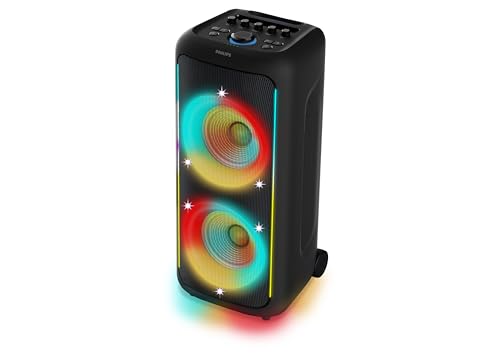
Powerful 200W Party Sound with Deep Bass – Feel the music with 200W Max / 100W RMS output. Dual 8” woofers and Bass+ technology deliver rich, distortion-free low end, while 2” tweeters keep vocals crystal clear.

IPX7 WATER RESISTANT: PHILIPS brilliant speaker is ready for anything. Whether you're caught in the rain, working up a sweat or even jumping off a boat, an IPX7 waterproof rating means that the speaker can be submerged for up to 30 minutes with no problems.
Select Your Philips Speaker From Device List
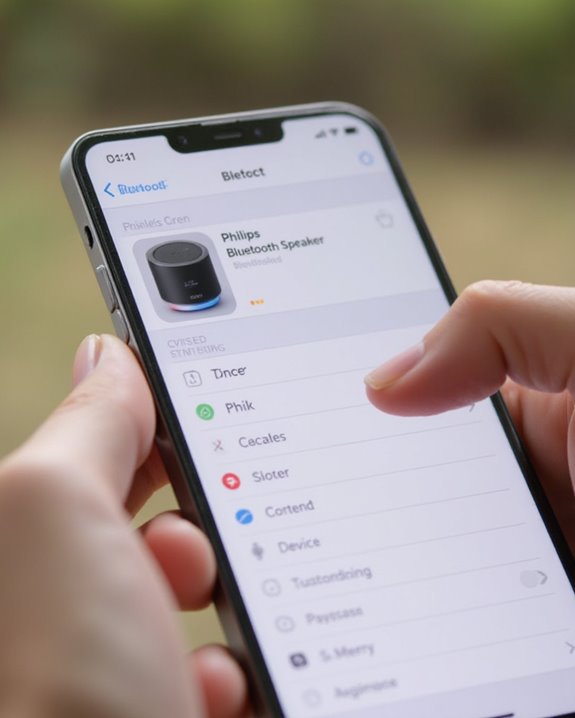
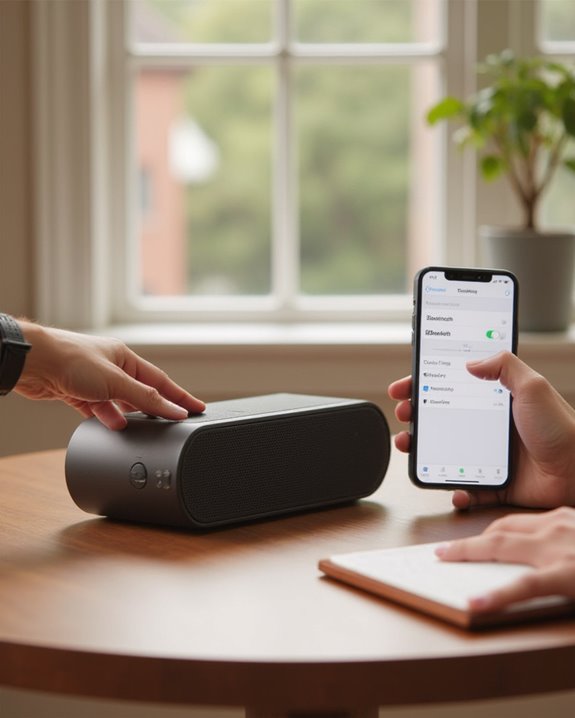
The iPhone’s device list serves as the gateway to successful Bluetooth pairing with Philips speakers, displaying all available wireless connections within range. Once Bluetooth is enabled, users should navigate to Settings > Bluetooth to access the complete list of available Bluetooth devices within proximity.
When the Philips speaker appears in this list, identified by model numbers such as BT50G/37 or BT50L/37, users should tap its name to initiate the connection process. The speaker must be in discovery mode, indicated by a flashing blue light, before it will appear as selectable. If a passcode prompt appears after selection, entering “0000” will complete the authentication process. Successful pairing is confirmed when the speaker’s blue indicator light stops flashing and remains steadily illuminated, indicating an active connection has been established. Users who also own a Ultimate Ears speaker will find the pairing process from an iPhone follows similar steps.
Recommended Products

SUPERIOR SOUND WITH EXTRA POWER: With two 7" woofers and 2.5" tweeter, this Bluetooth speaker delivers powerful, big, pumping bass sound that's perfect for all your indoor events and outdoor adventures. Press the DBB button to switch between your different bass presets and activate a Dynamic Bass Boost to give your tunes the rumbling bass they deserve.

SUPERIOR SOUND: With two 8" woofers and two 3" tweeters, this Bluetooth speaker delivers powerful, big, pumping bass sound that's perfect for all your indoor events and outdoor adventures.
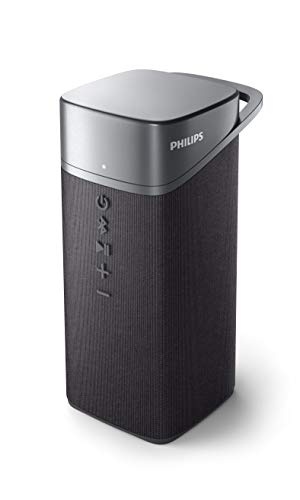
MUSIC AT YOUR FINGERTIPS: Morning podcast in the bathroom. Inspiring tunes for alfresco dinner. This wireless Bluetooth speaker keeps the music going. Embossed buttons let you control playback, stereo pairing, Bluetooth, and more.Mounting Type:Tabletop.Speakers maximum output power:5 watts.Total usb ports:1
Confirm Successful Connection
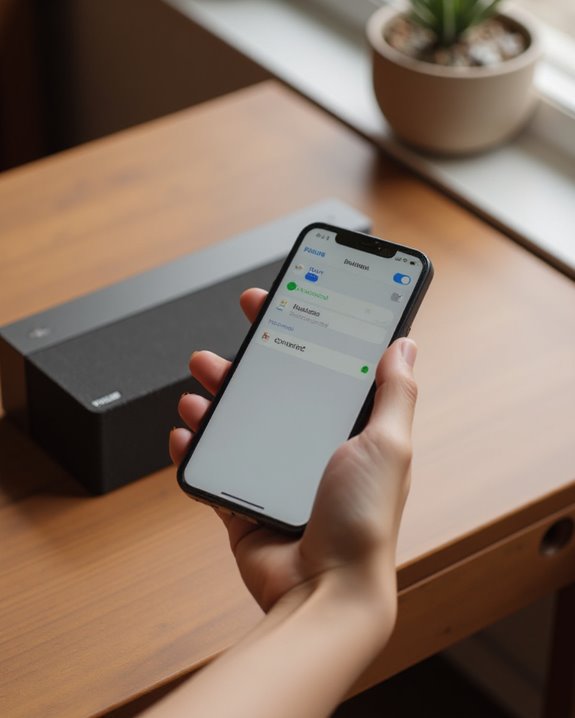
Verifying successful connection between an iPhone and Philips Bluetooth speaker involves multiple sensory confirmations that eliminate any doubt about the pairing status. Upon successful pairing, users will hear two distinct beeps from the speaker, providing auditory confirmation that the Bluetooth device has established connection. Visual verification is equally important, as the Bluetooth indicator light on Philips models like BT50G/37 and BT50L/37 will change from flashing to a steady blue illumination.
iPhone users should check their device’s Bluetooth settings menu, where the Philips speaker should appear with “Connected” status. For models such as SBT300/37, a non-flashing indicator light serves as additional confirmation. The ultimate verification comes through functionality testing—playing audio from the iPhone through the speaker without interruptions confirms the connection is properly established.
Test Audio Playback and Adjust Settings
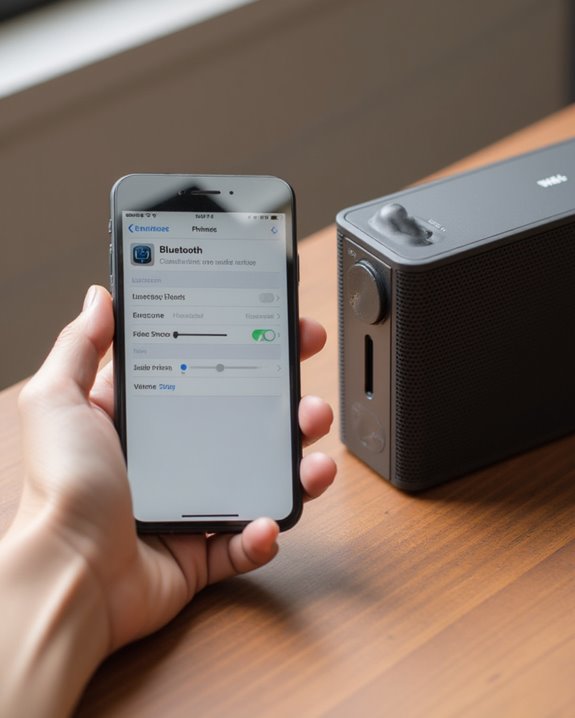
Once connected, users should immediately test audio playback through their Philips Bluetooth speaker to verify ideal performance and sound quality. Open the iPhone’s music app and select a familiar audio file to assess clarity and volume. The speaker’s blue indicator light should remain steadily illuminated during playback, confirming stable connectivity.
Volume adjustments can be made directly from the iPhone using the Control Center slider or physical buttons, with changes reflecting immediately through the speaker. If audio sounds distorted or intermittent, users should check the Bluetooth connection status in iPhone Settings and verify the speaker displays proper connection indicators. Some Philips models may benefit from firmware updates, especially for older devices experiencing connectivity issues. You may also want to check out our guide on how to charge a Philips Bluetooth speaker to ensure your device always has adequate power for uninterrupted listening. For ideal audio performance, users should reference the speaker’s FAQs to understand specific model controls for fine-tuning audio settings.
Recommended Products

ROCK AND ROLL: With 40W output power and a distinctive look, this wireless Bluetooth speaker is sure to turn heads. 70mm woofers and two tweeters give you clear sound and pounding bass.
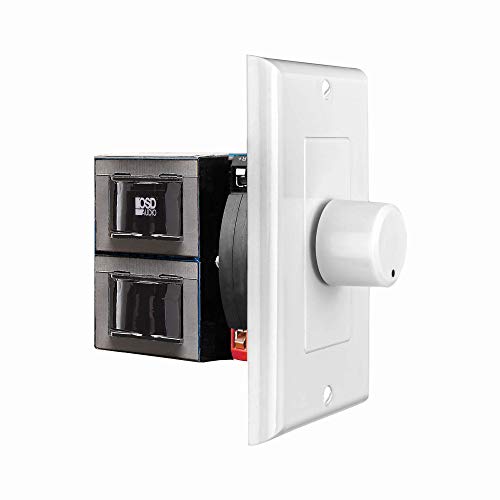
OSD Audio 100W in Wall Volume Control Impedance Matching for Home Speakers, Rotary Knob White SVC100
HIGH POWER: The SVC100 is rated at 100 Watts per channel with minimal bass roll-off. It includes front mounted adjustable jumpers to add up to eight pairs of 8 ohm speakers simultaneously.

Stream music wirelessly via Bluetooth from your smartphone- Bluetooth is a short range wireless communication technology that is both robust and energy-efficient. The technology allows easy wireless connection to iPod/iPhone/iPad or other Bluetooth devices, such as smartphones, tablets or even loptops. So you can enjoy your favorite music, sound from video or game wireless on this speaker easily.
Frequently Asked Questions
How to Connect Philips Bluetooth Speaker to Iphone?
Will they connect successfully? Within Bluetooth range, users can pair their Philips speaker by activating Bluetooth on the iPhone, setting the speaker to pairing mode, selecting it from available devices, and entering “0000” if prompted.
How Do I Put My Philips Bluetooth Speaker in Pairing Mode?
To activate pairing mode on a Philips Bluetooth speaker, users should slide the switch toward the Bluetooth symbol. The mode activation is confirmed when the Bluetooth indicator begins flashing blue, indicating readiness for device detection.
How Do I Get My Iphone to Recognize a Bluetooth Speaker?
To achieve iOS compatibility, users must enable Bluetooth in iPhone Settings, remain on that screen during discovery, and make sure the speaker is in pairing mode. The iPhone will then recognize and display the speaker for connection.
Why Is My Philips Speaker Not Connecting to Bluetooth?
Is the Philips speaker refusing to connect? Make sure it’s in pairing mode, check for signal interference from other devices, verify Bluetooth is enabled on the iPhone, and confirm it’s not already paired elsewhere.